
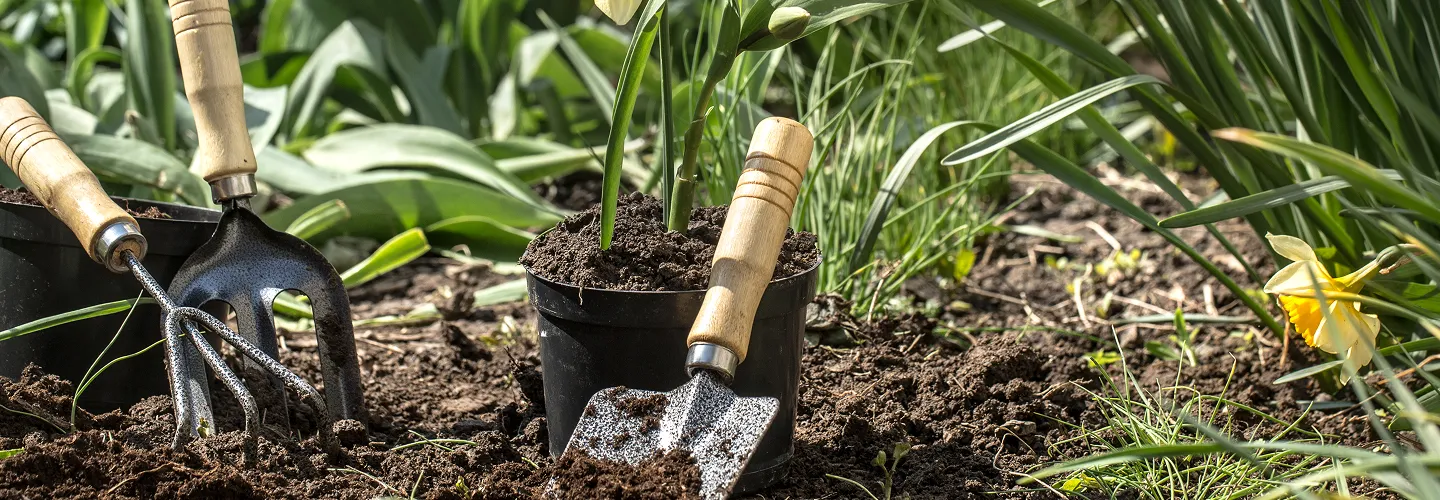
Bandera Hydroseeding Services
With years of expertise and a commitment to quality, our hydroseeding solutions deliver faster germination, superior coverage, and long-lasting results at a fraction of the cost of traditional sodding — giving your property the beautiful, healthy lawn it deserves.
Our Bandera Landscaping & Yard Care Services
When to Schedule Hydroseeding in Bandera, Texas – Seasonal Guide
Hydroseeding in Bandera, Texas, is most effective when timed with the region’s unique climate and landscape features. The optimal window typically falls between late March and early May, or again in early fall, when soil temperatures are warm enough to encourage rapid seed germination but before the peak summer heat arrives. Bandera’s proximity to the Medina River and the rolling terrain of neighborhoods like River Ranch and Flying L Ranch means that microclimates can vary, so it’s important to consider your property’s specific conditions.
Local environmental factors such as late spring frost dates, the risk of summer drought, and periods of high humidity all play a role in determining the best time for hydroseeding. Shaded lots near Bandera City Park may retain moisture longer, while open, sun-exposed areas on the outskirts can dry out quickly. Soil composition—ranging from rocky Hill Country soils to richer bottomland near the river—also affects seed establishment. For more information on local environmental guidelines, visit the Sudbury municipal resource.
Local Factors to Consider for Hydroseeding in Bandera
- Tree density and shade coverage, especially in established neighborhoods like Enchanted River Estates
- Slope and terrain, which can impact water runoff and seed retention
- Average precipitation patterns and the likelihood of drought conditions
- Soil type, from rocky uplands to fertile riverbanks
- Municipal watering restrictions or seasonal ordinances
- Proximity to natural water sources such as the Medina River
Benefits of Hydroseeding in Bandera
Fast & Even Lawn Coverage
Cost-Effective Landscaping Solution
Erosion Control & Soil Stabilization
Eco-Friendly Seed Application
Customized Seed Blends for Bandera Climate
Professional & Reliable Service
Bandera Hydroseeding Types

Erosion Control Hydroseeding
-
Residential Lawn Hydroseeding
-
Commercial Landscape Hydroseeding
-
Slope Stabilization Hydroseeding
-
Wildflower & Native Grass Hydroseeding
-
Sports Turf Hydroseeding
-
Roadside & Highway Hydroseeding
Our Hydroseeding Process
Site Evaluation
Soil Preparation
Slurry Mixing
Hydroseeding Application
Watering & Monitoring
Growth & Maintenance
Why Choose Bandera Landscape Services
Bandera Homeowners Trust Us
-
Years of Landscape Expertise
-
Competitive and Transparent Pricing
-
Licensed and Professional Team
-
Satisfaction Guarantee
-
Personalized Service Plans
-
Reliable and Timely Scheduling
-
Locally Owned and Operated
Coordinating Hydroseeding Projects with Bandera's Municipal Infrastructure and Drainage Systems
Hydroseeding in Bandera requires coordination with local infrastructure oversight, particularly where application sites adjoin city rights-of-way, drainage channels, or the Medina River corridor. Property owners planning hydroseeding on slopes that direct runoff toward municipal storm inlets or creek banks should verify current grading and drainage requirements before beginning site preparation. The Bandera County Engineer's office can clarify whether proposed work near county roads or drainage easements triggers review for erosion-control compliance.
- Confirm whether the project site falls within city limits or unincorporated Bandera County, as oversight responsibilities differ
- Coordinate with public works regarding any sediment or slurry that may reach roadside ditches or curb inlets
- Properties adjacent to the Medina River or its tributaries should account for floodplain setback considerations before applying hydroseed mixtures
Bandera County Engineer
Bandera County Courthouse, Bandera, TX 78003
Official Website: Bandera County Engineer
City of Bandera Public Works
Bandera, TX 78003
Official Website: City of Bandera Public Works
How Bandera's Hill Country Limestone Soils and Aridity Shape Hydroseeding Results
Bandera sits squarely in the Central Texas Hill Country, classified within USDA Hardiness Zone 8b, where conditions present distinct challenges for hydroseeding establishment. The region's soils are predominantly shallow, limestone-derived, and calcareous, often with exposed rock shelves and thin topsoil layers that limit root penetration. According to the USDA Web Soil Survey, many parcels in the Bandera area feature Tarrant, Brackett, or similar rocky clay loam series with high alkalinity and rapid surface drainage.
- Alkaline pH: Soil pH commonly ranges from 7.5 to 8.2, which can limit nutrient availability for certain seed species and may require tackifier or amendment adjustments in the hydroseed slurry
- Shallow bedrock: Limestone outcrops and thin soil profiles reduce moisture retention, making post-application irrigation critical during germination
- Arid summers: Bandera averages over 30 days above 100°F in peak summer, and annual rainfall of roughly 30 inches is unevenly distributed, with extended dry periods from June through September
- Slope and runoff: Hill Country terrain produces rapid sheet flow during intense rain events, which can wash away freshly applied hydroseed if erosion-control fiber or bonded fiber matrix is not incorporated into the mix
These conditions make species selection, application timing, and post-application moisture management especially consequential in Bandera.
Navigating Bandera's Stormwater and Land-Use Regulations for Hydroseeding Compliance
Hydroseeding projects in Bandera must account for both state environmental standards and local land-use requirements. The Texas Commission on Environmental Quality (TCEQ) administers stormwater discharge permits under the federal Clean Water Act, and any construction activity disturbing one acre or more requires a Construction General Permit with a Stormwater Pollution Prevention Plan (SW3P). Hydroseeding is itself a recognized best management practice for erosion control under these permits, but the application must be executed properly to satisfy compliance.
- Verify zoning and site-disturbance thresholds with the city before grading or clearing vegetation in preparation for hydroseeding
- Any fertilizer or soil amendment included in the hydroseed slurry is subject to the Texas Agriculture Code, Chapter 63, which governs commercial fertilizer labeling and distribution
- Properties near the Medina River should coordinate with the Bandera County River Authority and Groundwater District regarding water-quality protections and groundwater recharge zone sensitivity
- Herbicide-treated seed or post-application weed-control chemicals require compliance with Texas Department of Agriculture pesticide licensing requirements
City of Bandera Zoning
Bandera, TX 78003
Official Website: City of Bandera Zoning
Bandera County River Authority and Groundwater District
Bandera, TX 78003
Official Website: Bandera County River Authority and Groundwater District
Timing Hydroseeding Around Bandera's Drought Cycles and Freeze Windows
Professional hydroseeding in the Hill Country must align with Bandera's narrow establishment windows. The Texas A&M AgriLife Extension recommends warm-season grass establishment during late spring through early summer, when soil temperatures consistently exceed 65°F and before the most extreme heat arrives. For Bandera, this typically means targeting April through early June for bermudagrass or buffalograss blends, while cool-season ryegrass overseeding for temporary erosion cover is best applied in October through mid-November.
- Slurry composition: A standard hydroseed mix for Bandera slopes should include regionally adapted seed, wood-fiber or cellulose mulch, a tackifier suited to rocky substrates, and starter fertilizer calibrated to alkaline soil conditions
- Irrigation monitoring: Newly hydroseeded areas require light, frequent irrigation—typically two to three brief cycles daily—for the first 14 to 21 days; property owners should verify current watering restrictions with the City of Bandera Water Services before scheduling
- Erosion-control fiber: On slopes exceeding 3:1 grade, bonded fiber matrix (BFM) or flexible growth medium (FGM) should replace standard wood-fiber mulch to resist washout during Hill Country thunderstorms
- Freeze protection: Bandera experiences periodic hard freezes from late November through February; hydroseeding should be completed with sufficient lead time for root establishment before dormancy, or deferred to the following spring
What Neighborhoods Do We Serve Throughout Bandera, TX?
- Bandera Historic Downtown: Properties along the Medina River corridor often feature narrow lots with mature live oaks and steep riverbank grades that require erosion-control hydroseeding with fiber-reinforced slurry.
- Mansfield Park Area: Residential lots near city parkland may have shallow limestone soils and moderate slopes, making proper tackifier selection essential for seed retention during establishment.
- Flying L Ranch: This resort and residential community features larger acreage parcels with open pasture and Hill Country terrain where hydroseeding supports rangeland restoration and roadside stabilization.
- Privilege Creek Estates: Rural-residential lots along Privilege Creek demand careful hydroseed placement to prevent sediment discharge into the waterway during rain events.
- Lakehills and Pipe Creek Vicinity: Properties in the greater Bandera area west and south of town often sit on Edwards Plateau terrain with caliche substrates, requiring amended slurry mixes for successful germination.
- Medina Lake Corridor: Sloped lots near Medina Lake benefit from hydroseeding for bank stabilization, though proximity to the reservoir requires strict runoff-control measures.