
Bandera Hedging Services
With years of experience and a commitment to precision, Bandera Hedging Services delivers beautifully shaped, healthy hedges that enhance your property's curb appeal, privacy, and value — trusted by homeowners who demand nothing but the best.
Our Bandera Landscaping & Yard Care Services
When to Schedule Hedging in Bandera, Texas – Seasonal Guide
In Bandera, Texas, the best times to schedule hedging are typically late winter through early spring and again in late summer. This timing takes into account our region’s unique climate, including mild winters, hot summers, and the risk of late frosts that can occur as late as March. For neighborhoods near Medina River or around the Bandera City Park, it’s important to consider how humidity and shade from mature oaks can affect plant growth and recovery after trimming. Soil types in Bandera range from rocky limestone to sandy loam, which influences how quickly hedges bounce back after a cut.
Local environmental factors such as drought risk during July and August, as well as municipal watering restrictions, can impact the health of your landscape. Homeowners in areas like Enchanted River Estates or along Main Street should also be aware of microclimates created by tree density and elevation changes. For more information on local regulations and environmental guidelines, visit the official Bandera resources.
Local Factors to Consider for Hedging in Bandera
- Tree density and shade coverage in your yard
- Terrain and soil type (rocky, sandy, or loamy)
- Average precipitation and drought risk
- Frost dates and seasonal temperature swings
- Municipal restrictions on watering or landscaping
- Proximity to landmarks like Medina River or Bandera City Park
Benefits of Hedging in Bandera
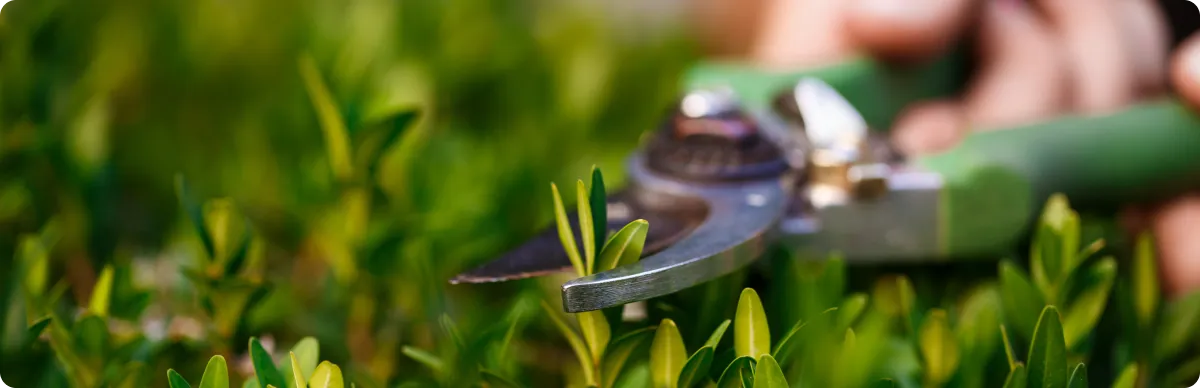
Professional Hedge Trimming & Shaping Services
Enhanced Curb Appeal for Bandera Properties
Year-Round Hedge Maintenance Plans
Experienced Local Landscaping Experts
Affordable Hedging Solutions for Every Budget
Fast & Reliable Hedge Installation in Bandera
Bandera Hedging Types

Boxwood Hedging
-
Privet Hedging
-
Laurel Hedging
-
Yew Hedging
-
Leyland Cypress Hedging
-
Holly Hedging
-
Beech Hedging
Our Hedging Process
Site Survey & Hedge Assessment
Species & Style Selection
Ground Preparation
Planting & Positioning
Shaping & Trimming
Aftercare & Maintenance Plan
Why Choose Bandera Landscape Services
Bandera Homeowners Trust Us
-
Years of Landscape Expertise
-
Competitive and Transparent Pricing
-
Licensed and Professional Team
-
Satisfaction Guarantee
-
Personalized Service Plans
-
Reliable and Timely Scheduling
-
Locally Owned and Operated
Coordinating Hedge Maintenance With Bandera's Zoning and Public Works Departments
Property owners in Bandera should coordinate hedging activities with municipal departments responsible for land-use compliance and right-of-way maintenance. Hedges that border public sidewalks, roadways, or drainage easements may be subject to visibility and clearance requirements enforced through the city's zoning framework. Before establishing or significantly reshaping hedges along property frontages, residents should verify setback and screening standards through the zoning office. The City of Bandera Public Works department oversees infrastructure corridors where overgrown hedges can obstruct drainage flow or impede pedestrian access. Green waste generated from hedging—including clippings, branches, and woody debris—should be managed according to current municipal disposal procedures rather than deposited near curb inlets or roadside ditches.
- Confirm hedge placement does not encroach on public rights-of-way or utility easements
- Verify visibility triangle requirements at intersections and driveway approaches
- Coordinate green waste disposal with Public Works to avoid drainage obstruction
- Review zoning screening standards before installing new hedge rows along property lines
City of Bandera Zoning
Official Website: City of Bandera Zoning
City of Bandera Public Works
Official Website: City of Bandera Public Works
How Bandera's Hill Country Limestone Soils and Heat Affect Hedge Growth
Bandera sits within the Central Texas Hill Country, classified in USDA Hardiness Zone 8b, where conditions directly influence hedge species selection and maintenance cycles. The region's limestone-derived, calcareous soils are typically shallow and alkaline, with pH levels often exceeding 7.5. These conditions favor species such as yaupon holly, wax myrtle, Texas sage, and Elaeagnus, while acid-loving hedge plants like azaleas struggle without significant soil amendment. Summer temperatures routinely exceed 100°F, and extended drought periods stress hedges that lack supplemental irrigation. Bandera's terrain includes rocky slopes and thin topsoil over limestone bedrock, which limits root depth and increases susceptibility to heat damage during July and August.
- Alkaline, calcium-rich soils restrict iron availability, causing chlorosis in non-adapted hedge species
- Shallow bedrock limits root penetration and moisture storage capacity
- Intense solar exposure on south- and west-facing hedges accelerates leaf scorch and desiccation
- Periodic flash flooding along the Medina River corridor can erode soil around hedge root zones
- Groundwater availability varies; the Bandera County River Authority and Groundwater District provides conservation guidance relevant to irrigation planning
Navigating Bandera's Regulatory Requirements for Hedge Compliance and Stormwater Protection
Hedge maintenance in Bandera intersects with both local zoning ordinances and broader environmental compliance obligations. Properties adjacent to the Medina River, Winans Creek, or other drainage channels should ensure that hedge clippings and soil disturbance do not contribute sediment or organic debris to waterways. Under the Clean Water Act and the TCEQ Phase II MS4 stormwater program, preventing pollutant discharge into storm drainage systems is a regulatory priority across Texas municipalities. If chemical treatments such as herbicides are applied near hedges to suppress competing vegetation, applicators must hold appropriate credentials under the Texas Department of Agriculture's pesticide licensing program.
- Keep all hedge trimmings and debris away from creek banks, storm drains, and roadside ditches
- Verify current zoning screening and height requirements before modifying boundary hedges
- Ensure any herbicide or pesticide application near hedges complies with state licensing requirements
- Properties in floodplain areas should confirm whether hedge installation triggers additional review through the county engineer's office
Bandera County Engineer
Official Website: Bandera County Engineer
Timing Hedging Cycles Around Bandera's Drought, Freeze, and Growth Seasons
Professional hedging in Bandera's Hill Country climate requires careful alignment with seasonal growth patterns and weather extremes. The primary shaping window for most warm-season hedge species falls between late March and mid-June, when active growth allows rapid recovery from cuts. A secondary light trimming may be performed in early fall, typically September through mid-October, before the first freeze risk. Hedging during peak summer heat—particularly July and August—should be avoided or minimized, as open wounds expose interior foliage to sunburn and increase moisture loss. The Texas A&M Forest Service Kerrville Office serves as a regional resource for species-specific guidance relevant to Bandera County.
- Shape formal hedges no more than two to three times per growing season to avoid depleting energy reserves
- Irrigate hedges deeply 24–48 hours before major shaping to reduce transplant-like stress
- Avoid heavy pruning after mid-October; late cuts stimulate tender growth vulnerable to Hill Country freezes
- Sanitize cutting tools between properties and between species to prevent disease transmission
- Taper hedge profiles slightly narrower at the top to allow sunlight penetration to lower branches
What Neighborhoods Do We Serve Throughout Bandera, TX?
- Downtown Bandera — Historic properties along Main Street and adjacent blocks often feature mature hedges requiring careful shaping around older structures, narrow lot lines, and pedestrian walkways.
- Riverside Drive Area — Properties near the Medina River benefit from hedging that accounts for periodic flooding, riparian setbacks, and erosion-prone soils along the riverbank.
- Flying L Ranch — This established community features larger lots with ornamental hedges and screening plantings that require attention to irrigation scheduling and deer browse pressure.
- Mansfield Park Vicinity — Residential properties near City of Bandera Parks facilities often maintain hedges along shared boundaries where visibility and public-facing appearance standards apply.
- Privilege Creek Estates — Hill Country terrain with rocky, sloped lots demands hedge species adapted to shallow limestone soils and limited supplemental water access.
- Lakehills Area — Properties on the western outskirts of Bandera County feature rural lot sizes where hedges serve as windbreaks and privacy screens on exposed, sun-intensive sites.