
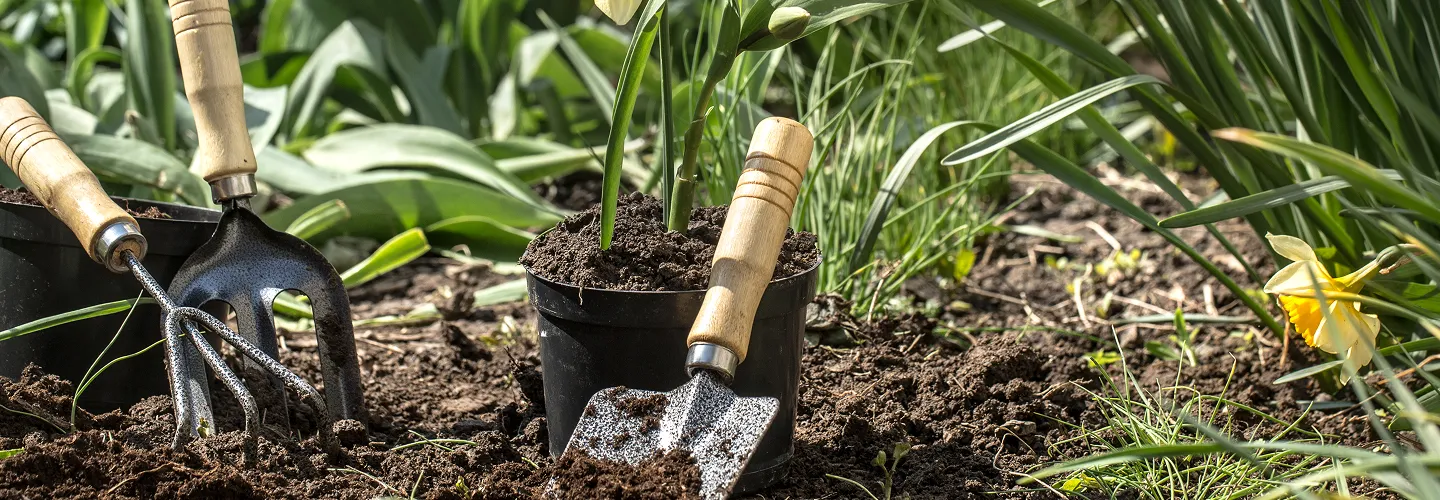
Bandera Plant Removal Services
With years of experience, top-tier equipment, and a commitment to leaving your property spotless, our expert team ensures every plant removal job is handled safely, efficiently, and affordably — so you can reclaim your space with confidence.
Our Bandera Landscaping & Yard Care Services
When to Schedule Plant Removal in Bandera, Texas – Seasonal Guide
In Bandera, Texas, timing your plant removal is crucial for both the health of your landscape and the efficiency of the process. The optimal periods are typically late winter through early spring, just after the last frost and before new growth begins. This window allows for easier removal, minimizes stress on surrounding vegetation, and prepares your property for the upcoming growing season. Bandera’s unique climate—marked by hot, dry summers and mild winters—means that scheduling outside of peak heat and drought periods is especially important.
Local factors such as the proximity to the Medina River, the shaded lots in neighborhoods like Flying L Ranch, and the rocky Hill Country soil all play a role in determining the best time for plant removal. Humidity levels, risk of late frosts, and municipal guidelines—often updated on the official Bandera County website—should also be considered to ensure compliance and optimal results.
Local Factors to Consider for Plant Removal in Bandera
- Tree density and canopy coverage, especially in areas like River Ranch Estates
- Terrain challenges, including rocky or sloped ground common in the Hill Country
- Seasonal precipitation patterns and drought risk
- Local frost dates and temperature fluctuations
- Municipal restrictions or permit requirements
- Soil type and drainage characteristics
By considering these local elements, you can schedule plant removal at the most effective time, ensuring a healthier, more attractive landscape for your Bandera property.
Benefits of Plant Removal in Bandera
Professional & Safe Plant Removal
Improved Curb Appeal & Property Value
Healthier Landscape Growth
Fast & Efficient Service in Bandera
Affordable Landscaping Solutions
Licensed & Insured Local Experts
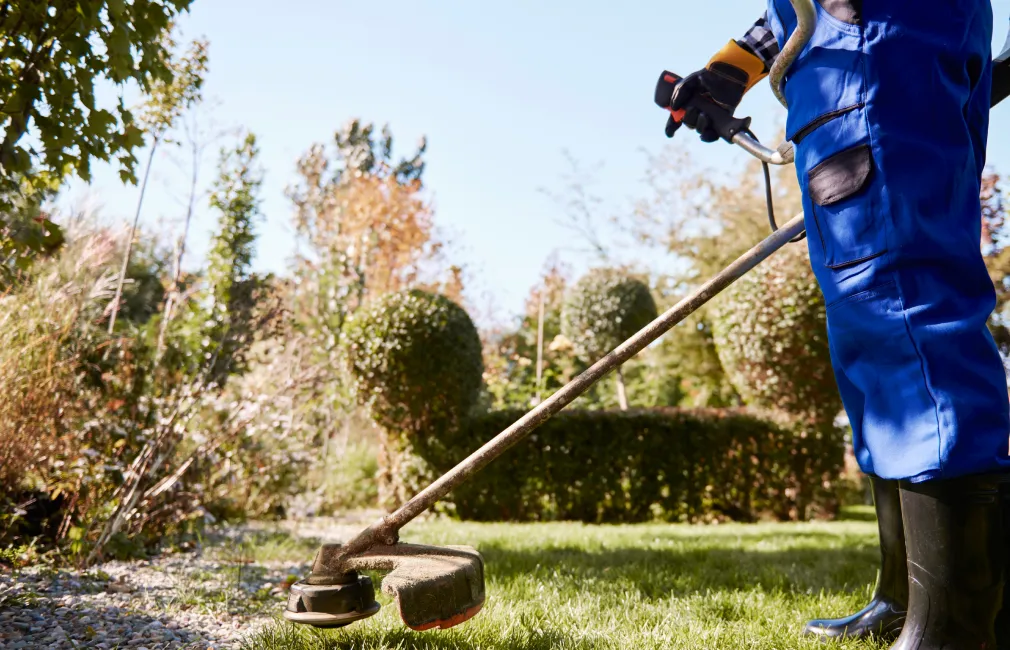
Bandera Plant Removal Types

Tree Removal
-
Shrub Removal
-
Stump Grinding & Removal
-
Invasive Species Removal
-
Overgrown Vegetation Clearing
-
Root System Extraction
-
Dead Plant & Debris Cleanup
Our Plant Removal Process
Site Evaluation
Plant Identification & Planning
Root System Assessment
Safe Plant Extraction
Soil Restoration
Cleanup & Disposal
Why Choose Bandera Landscape Services
Bandera Homeowners Trust Us
-
Years of Landscape Expertise
-
Competitive and Transparent Pricing
-
Licensed and Professional Team
-
Satisfaction Guarantee
-
Personalized Service Plans
-
Reliable and Timely Scheduling
-
Locally Owned and Operated
Coordinating Plant Removal Disposal and Site Cleanup in Bandera, TX
Plant removal in Bandera requires coordination with municipal services to ensure proper disposal of organic debris and compliance with local infrastructure standards. Property owners and managers should verify current green waste handling procedures through the City of Bandera Public Works department before initiating removal projects, particularly when large volumes of root material, shrub masses, or invasive vegetation are involved. Removed plant material should never be deposited in roadside ditches, creek channels, or storm-drain inlets, as decomposing organic matter can obstruct drainage flow and degrade water quality in the Medina River watershed. Residents undertaking plant removal near city rights-of-way or public easements should confirm whether the scope of work requires coordination with the county engineer's office for grading or drainage considerations.
- Confirm disposal routing for large-volume organic debris before beginning removal
- Keep all excavated root material and vegetation away from curb inlets and drainage channels
- Coordinate with Public Works on any work affecting city rights-of-way or stormwater infrastructure
- Verify whether county engineering review applies to projects involving grade changes near roadways
City of Bandera Public Works
Official Website: City of Bandera Public Works
Bandera County Engineer
Official Website: Bandera County Engineer
How Bandera's Hill Country Limestone and Drought Cycles Affect Plant Removal
Bandera sits within the Central Texas Hill Country, classified in USDA Hardiness Zone 8b, where shallow limestone-derived soils, extended summer heat, and cyclical drought create distinct challenges for plant removal. The region's calcareous, rocky soils often produce shallow but laterally extensive root systems, meaning even modest shrubs or ornamental plantings can anchor into fractured limestone substrate. This complicates extraction and increases the risk of destabilizing adjacent soil when roots are pulled.
- Shallow bedrock: Limestone layers frequently sit within 12–24 inches of the surface, forcing roots to spread horizontally and interlock with rock fractures, making mechanical extraction more difficult
- Drought-hardened soils: Extended dry periods cause clay-over-limestone soils to compact and harden, increasing resistance during root excavation and raising the potential for surface cracking on adjacent ground
- Flash-flood runoff: Bandera's terrain channels rainfall rapidly into the Medina River and its tributaries; exposed soil left after plant removal is highly vulnerable to erosion during intense Hill Country storm events
- Invasive species pressure: Species such as Ashe juniper (cedar), Chinaberry, and ligustrum are common removal targets in the Bandera area, and their aggressive root networks require thorough extraction to prevent regrowth
The Bandera County River Authority and Groundwater District provides guidance on water resource protection that is directly relevant when plant removal occurs near waterways or in areas that contribute to groundwater recharge.
Navigating Bandera's Zoning and Environmental Compliance for Plant Removal Projects
Plant removal projects in Bandera may intersect with local zoning provisions, stormwater regulations, and state-level environmental requirements depending on the site's location and the scope of work. Property owners should review applicable land-use rules through the City of Bandera Zoning office, particularly when removal occurs on parcels adjacent to floodplain areas, creek buffers, or public parkland. Projects that involve herbicide application to treat stumps or prevent regrowth must comply with Texas Agriculture Code, Chapter 76, which governs pesticide and herbicide use statewide. Commercial applicators are required to hold valid credentials through the Texas Department of Agriculture's pesticide licensing program.
- Verify zoning setback and screening requirements before removing vegetation that serves as a buffer or visual barrier
- Confirm whether the removal site falls within a mapped floodplain or drainage easement that may trigger additional review
- Ensure any herbicide application for stump treatment or regrowth prevention is performed by a licensed applicator
- Prevent sediment and organic runoff from entering storm drains or creek channels, consistent with Clean Water Act protections and TCEQ Phase II MS4 stormwater standards
City of Bandera Zoning
Official Website: City of Bandera Zoning
Timing and Methods for Professional Plant Removal in Bandera's Climate
Scheduling and technique selection for plant removal in Bandera should account for the region's intense summer heat, unpredictable rainfall, and rocky soil conditions. Late fall through early spring generally provides the most favorable working conditions, as cooler temperatures reduce heat stress on crews and lower the risk of rapid soil moisture loss from exposed ground. Removal during active growing seasons—particularly for aggressive species like Ashe juniper or ligustrum—demands immediate stump treatment to prevent vigorous resprouting.
- Root extraction in rocky soils: Mechanical removal tools may be necessary where roots have penetrated limestone fractures; hand excavation is often required near foundations, utilities, or adjacent plantings to avoid collateral damage
- Site stabilization: Exposed soil must be stabilized promptly with erosion-control fabric, temporary mulch cover, or reseeding to prevent washout during Hill Country rain events
- Stump management: Chemical stump treatment should occur immediately after cutting to maximize absorption; verify that all products used are labeled for the target species and applied by appropriately licensed personnel
- Debris staging: Removed vegetation and root material should be staged away from drainage paths and hauled to an approved disposal site; burning may be subject to local burn-ban conditions, which can be confirmed through the Bandera Fire Department
The Texas A&M Forest Service Kerrville Office can provide additional guidance on managing invasive woody species removal in the Hill Country region.
What Neighborhoods Do We Serve Throughout Bandera, TX?
- Downtown Bandera: Older residential lots along Main Street and adjacent blocks often feature mature ornamental plantings and legacy trees with root systems that extend beneath sidewalks and aging infrastructure, requiring careful extraction techniques.
- Mansfield Park Area: Properties near the city park along the Medina River may involve plant removal in proximity to riparian buffers and floodplain zones, necessitating erosion-control measures and coordination with drainage standards.
- Flying L Ranch: This established community features larger lots with mixed native and ornamental vegetation, where cedar and brush encroachment is a common driver for plant removal projects.
- Lakehills Area: Properties in the greater Lakehills vicinity west of Bandera often sit on sloped, rocky terrain with shallow soils, making root extraction more labor-intensive and site stabilization after removal essential.
- Privilege Creek Corridor: Rural-residential parcels along Privilege Creek require particular attention to sediment control and waterway protection during and after plant removal operations.
- Bandera River Ranch Estates: Larger acreage tracts in this area frequently require removal of invasive juniper and brush species to manage wildfire risk and restore native grassland habitat.