
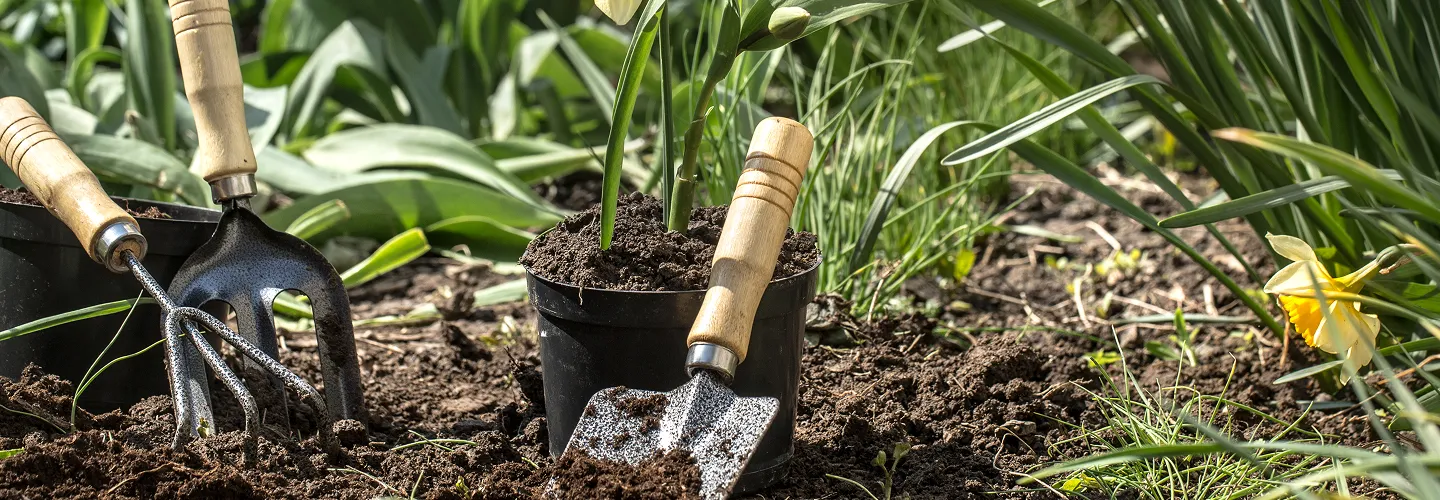
Bandera Weeding Services
With years of experience and a dedication to detail, our professional weeding team ensures your garden stays clean, healthy, and beautifully maintained — so you can enjoy a weed-free yard without lifting a finger.
Our Bandera Landscaping & Yard Care Services
When to Schedule Weeding in Bandera, Texas – Seasonal Guide
In Bandera, Texas, the timing of weeding is crucial for maintaining healthy, attractive landscapes. The region’s unique blend of Hill Country climate, with its hot summers, mild winters, and variable rainfall, means that weed growth patterns can differ significantly from other parts of Texas. Typically, the best times for weeding are early spring—just after the last frost—and late fall, before winter dormancy sets in. This approach helps prevent weeds from taking root during the most active growing periods and reduces competition for water and nutrients among your plants.
Local factors such as the proximity to the Medina River, the shaded lots in neighborhoods like Flying L Ranch, and the rocky, alkaline soils common throughout Bandera all play a role in determining the optimal weeding schedule. Homeowners should also consider the risk of drought, which can stress desirable plants and make them more susceptible to weed invasion. For more information on local environmental guidelines, visit the Sudbury municipal site.
Local Factors to Consider for Weeding in Bandera
- Tree density and shade coverage, especially in areas like River Ranch Estates
- Soil type (rocky, alkaline, or clay-heavy soils)
- Seasonal precipitation and drought risk
- Frost dates and temperature fluctuations
- Terrain slope and drainage patterns
- Municipal restrictions or neighborhood association guidelines
Benefits of Weeding in Bandera
Professional Weed Removal Experts in Bandera
Healthier Lawns & Garden Beds Year-Round
Improved Curb Appeal for Your Property
Eco-Friendly Landscaping Weed Control Methods
Affordable Weeding Services for Bandera Homeowners
Reliable & Timely Lawn Maintenance Solutions
Bandera Weeding Types

Manual Hand Weeding
-
Mulch Weed Control
-
Pre-Emergent Weed Prevention
-
Post-Emergent Weed Treatment
-
Landscape Bed Weeding
-
Lawn Weed Removal
-
Organic Weed Management
Our Weeding Process
Garden Inspection
Weed Identification
Root Removal
Soil Treatment
Mulch Application
Ongoing Maintenance
Why Choose Bandera Landscape Services
Bandera Homeowners Trust Us
-
Years of Landscape Expertise
-
Competitive and Transparent Pricing
-
Licensed and Professional Team
-
Satisfaction Guarantee
-
Personalized Service Plans
-
Reliable and Timely Scheduling
-
Locally Owned and Operated
Coordinating Weeding Services with Bandera's Public Works and Parks Departments
Weeding in Bandera requires awareness of municipal infrastructure, particularly along rights-of-way, park boundaries, and drainage corridors adjacent to the Medina River. Property owners and managers should coordinate with city departments when weeding activities involve areas near public sidewalks, storm-drain inlets, or city-maintained green spaces. Pulled weed material and organic debris should not be deposited in street gutters, curb inlets, or drainage channels, as decomposing vegetation can obstruct stormwater flow and degrade water quality downstream.
- Bag or contain pulled weeds before transport; do not leave loose piles along curbs or in rights-of-way
- Verify current green waste disposal procedures through the city before hauling organic material to any drop-off location
- When weeding near city park boundaries or public trail corridors, confirm property lines to avoid working on municipal land without authorization
City of Bandera Public Works
Bandera, TX 78003
Official Website: City of Bandera Public Works
City of Bandera Parks
Bandera, TX 78003
Official Website: City of Bandera Parks
How Bandera's Hill Country Limestone Soils and Heat Shape Weed Growth
Bandera sits in the Central Texas Hill Country, classified within USDA Hardiness Zone 8b, where summers regularly exceed 100°F and annual rainfall averages roughly 30–34 inches, often arriving in intense bursts followed by extended dry spells. The region's shallow, alkaline, limestone-derived soils—frequently calcareous clay or rocky clay loam—create conditions that favor aggressive warm-season weeds such as grassburs (sandburs), rescuegrass, henbit, and various spurge species. These soils drain unevenly: thin topsoil over fractured limestone allows rapid infiltration in some areas while holding moisture in clay pockets elsewhere, producing unpredictable weed flushes after rainfall events.
- Alkaline soil pH (commonly 7.5–8.2) limits nutrient availability and favors lime-tolerant weed species over desired ornamentals
- Rocky substrates make deep hand-pulling difficult, often snapping taproots and allowing regrowth
- Post-rain weed surges are common from March through June and again in September and October, requiring timely intervention before seed set
- The USDA Web Soil Survey provides site-specific soil data for properties in Bandera County
Herbicide Regulations and Stormwater Compliance for Weeding in Bandera
Any commercial application of herbicides in Bandera must comply with Texas Agriculture Code, Chapter 76, which requires applicators to hold a valid license issued through the Texas Department of Agriculture. Unlicensed herbicide application by commercial operators is a violation of state law. Property owners applying herbicides on their own land are not required to hold a license but remain responsible for preventing drift and runoff into neighboring properties, waterways, or storm-drain systems.
- Pre-emergent and post-emergent herbicides must not be applied immediately before forecasted rain events to prevent chemical runoff into the Medina River or its tributaries
- Granular and liquid herbicide applications near creek banks, drainage swales, or detention areas should follow label buffer requirements
- The TCEQ Phase II MS4 stormwater program establishes pollutant-discharge prevention standards that apply to chemical applications affecting stormwater conveyance systems
- Integrated pest management (IPM) principles—combining hand removal, mulch suppression, and targeted chemical treatment—reduce overall herbicide volume and environmental exposure
Bandera County River Authority and Groundwater District
Bandera, TX 78003
Official Website: Bandera County River Authority and Groundwater District
Timing Weeding Around Bandera's Seasonal Rain and Drought Cycles
Effective weeding in Bandera's Hill Country climate depends on aligning removal efforts with the region's bimodal rainfall pattern and extended summer heat. Cool-season weeds such as henbit, chickweed, and annual bluegrass germinate in late fall and early winter, making October through December the critical window for pre-emergent applications targeting these species. Warm-season weeds—including crabgrass, sandburs, and spurge—germinate as soil temperatures rise above 55°F in late February through April, requiring pre-emergent treatment before that threshold is reached.
- Hand-pull weeds after soaking rains when root systems release more easily from saturated clay or loosened rocky soil
- Apply pre-emergent herbicides in split applications: once in late February and again in early March for warm-season weed suppression
- Avoid post-emergent spraying when daytime temperatures exceed 95°F, as volatilization increases drift risk and reduces efficacy
- Maintain 2–3 inches of hardwood mulch in landscape beds to suppress germination and reduce the frequency of chemical intervention
- Schedule follow-up weeding passes every 3–4 weeks during active growing seasons to prevent seed-head formation, as recommended by Texas A&M AgriLife Extension guidance on integrated weed management
What Neighborhoods Do We Serve Throughout Bandera, TX?
- Bandera Historic Downtown – Older commercial and residential lots with mature live oaks and limited irrigation often experience persistent weed pressure in bed edges and along sidewalk joints where shallow limestone restricts root competition.
- Mansfield Park Area – Properties adjacent to city parkland and the Medina River corridor require careful weeding practices to prevent herbicide drift toward riparian zones and public green spaces.
- Flying L Ranch – Larger residential lots with mixed turf and native landscaping present extensive bed-edge weeding needs, particularly along caliche driveways and fence lines where weed encroachment is common.
- Lakehills – Properties in this unincorporated community west of Bandera face rocky, thin-soil conditions on sloped terrain that accelerate runoff and concentrate weed growth in low-lying drainage paths.
- Privilege Creek Estates – Rural-residential parcels with native vegetation borders require targeted weeding to manage invasive species such as Johnsongrass and KR bluestem without disturbing established native grasses.
- Medina Lake Vicinity – Seasonal fluctuations in lake levels and moisture availability create variable weed cycles, with aggressive growth following wet periods and dormancy during extended drought stages.