
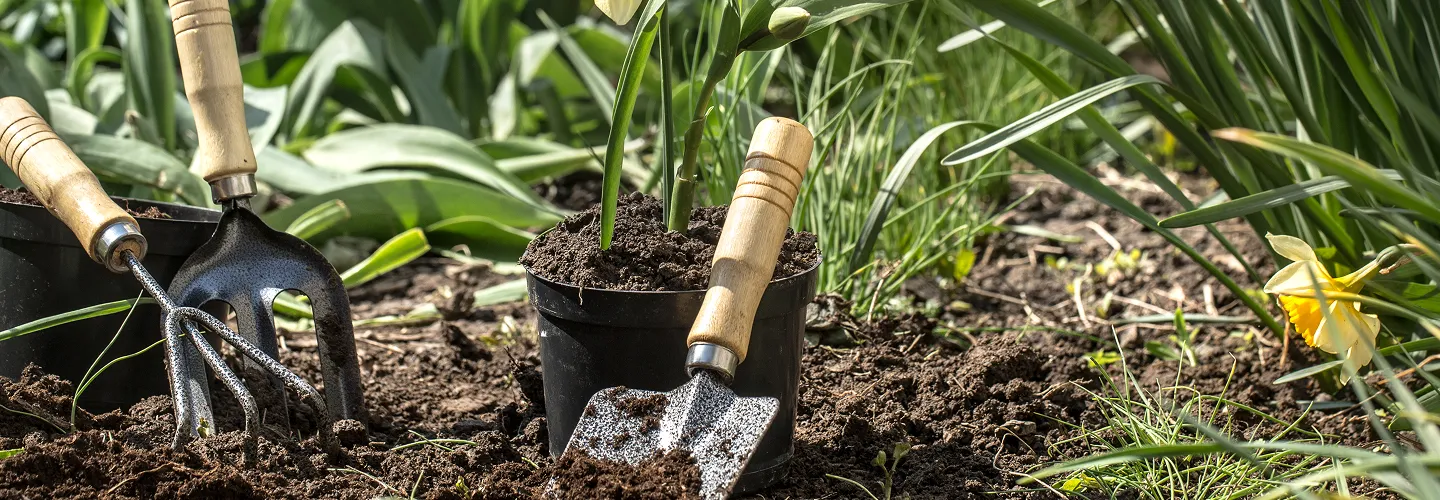
Bandera Flower Planting Services
With years of expertise and a passion for beautiful landscapes, our flower planting specialists hand-select the perfect blooms for your soil, climate, and style—delivering vibrant, long-lasting gardens that enhance your curb appeal and bring joy to your outdoor living space all season long.
Our Bandera Landscaping & Yard Care Services
When to Schedule Flower Planting in Bandera, Texas – Seasonal Guide
Flower planting in Bandera, Texas, is best scheduled with careful attention to our unique Hill Country climate and local landscape features. The optimal planting windows typically fall in early spring (late February to early April) and again in early fall (late September to October), when temperatures are moderate and rainfall is more predictable. These periods help ensure young plants establish strong roots before the intense summer heat or occasional winter frosts.
Bandera’s proximity to the Medina River, neighborhoods like Flying L Ranch, and the rolling terrain near Bandera City Park all influence microclimates and soil conditions. Factors such as late spring frost dates, the risk of summer drought, and the prevalence of caliche or clay soils can impact both the timing and success of flower planting. Homeowners should also consider shade from mature oaks and pecans, as well as local municipal guidelines that may affect watering schedules or landscaping choices.
Local Factors to Consider for Flower Planting in Bandera
- Tree density and shade coverage, especially in areas like River Ranch Estates
- Soil type (caliche, clay, or sandy loam) and drainage
- Average precipitation and drought risk during summer months
- Frost dates, particularly in low-lying or river-adjacent neighborhoods
- Terrain slope and erosion potential
- Municipal restrictions on watering or planting
- Proximity to natural features such as the Medina River or Bandera City Park
Benefits of Flower Planting in Bandera
Expert Local Flower Planting Services
Drought-Resistant Plant Selection
Custom Landscape Design Solutions
Seasonal Color Year-Round
Licensed & Insured Landscaping Professionals
Affordable Flower Bed Installation
Bandera Flower Planting Types

Annual Flower Planting
-
Perennial Flower Planting
-
Wildflower Seeding
-
Seasonal Flower Bed Installation
-
Native Texas Flower Planting
-
Container & Pot Flower Planting
-
Drought-Tolerant Flower Planting
Our Flower Planting Process
Site Evaluation
Soil Preparation
Flower Selection
Planting & Spacing
Mulching & Watering
Why Choose Bandera Landscape Services
Bandera Homeowners Trust Us
-
Years of Landscape Expertise
-
Competitive and Transparent Pricing
-
Licensed and Professional Team
-
Satisfaction Guarantee
-
Personalized Service Plans
-
Reliable and Timely Scheduling
-
Locally Owned and Operated
Coordinating Flower Planting Projects with Bandera's Municipal Parks and Water Services
Flower planting in Bandera requires coordination with city departments that oversee public landscape standards, water usage, and land-use compliance. Property owners planning flower installations along rights-of-way, near city parks, or within areas subject to zoning review should verify applicable requirements before beginning site preparation. The City of Bandera Parks department maintains standards for plantings that border public-facing areas, and any work near park boundaries or municipal greenspace should align with those expectations. Additionally, because Bandera relies on managed water resources, residents should confirm current irrigation allowances through the city's water services office before establishing new flower beds that will require supplemental watering during establishment.
- Confirm whether planting near rights-of-way or public frontage triggers any city review
- Verify current water-use allowances before scheduling irrigation for newly planted beds
- Coordinate with parks staff if planting borders municipal greenspace or trail corridors
City of Bandera Parks
Official Website: City of Bandera Parks
City of Bandera Water Services
Official Website: City of Bandera Water Services
How Bandera's Hill Country Limestone Soils and Heat Shape Flower Planting
Bandera sits in the Central Texas Hill Country, classified within USDA Hardiness Zone 8b, where conditions directly influence flower planting success. The region's soils are predominantly limestone-derived, alkaline, and often shallow over bedrock, which limits root penetration and affects nutrient availability—particularly iron and phosphorus. Summers regularly exceed 100°F, and intense solar exposure on south- and west-facing beds can desiccate transplants within hours if irrigation is inadequate. Rainfall in Bandera County is erratic, with extended dry spells punctuated by intense storm events that produce rapid runoff across rocky terrain. The USDA Plant Hardiness Zone Map confirms the zone classification, and the USDA Web Soil Survey provides parcel-level detail on depth-to-bedrock and drainage class.
- Alkaline, calcareous soils often require sulfur amendments or iron chelate to support acid-loving species
- Shallow bedrock limits root depth, favoring drought-adapted perennials and native wildflowers
- Intense summer heat demands afternoon shade consideration or heat-tolerant cultivar selection
- Flash-flood runoff across sloped lots can wash out newly planted beds without proper terracing or mulch cover
Navigating Bandera's Zoning and Environmental Compliance for Flower Planting
Flower planting projects in Bandera may intersect with zoning requirements when they involve frontage modifications, commercial property landscaping, or work within floodplain-adjacent areas. The City of Bandera Zoning office administers land-use regulations that can affect planting placement, screening requirements, and setback compliance. Property owners should verify current zoning provisions before installing raised beds, border plantings, or landscape features that alter site drainage. Any use of pesticides or herbicides during bed preparation must comply with Texas Agriculture Code, Chapter 76, and commercial applicators are required to hold valid credentials through the Texas Department of Agriculture's pesticide licensing program. The Bandera County River Authority and Groundwater District oversees water resource conservation, and flower planting near the Medina River or its tributaries should account for runoff and sediment control to protect water quality consistent with Clean Water Act standards.
- Verify zoning setback and screening rules before installing permanent raised beds or border structures
- Ensure commercial pesticide applicators hold current Texas Department of Agriculture credentials
- Protect creek banks and drainage channels from sediment displacement during bed excavation
- Consult the Bandera County River Authority regarding planting near waterways or recharge zones
City of Bandera Zoning
Official Website: City of Bandera Zoning
Bandera County River Authority and Groundwater District
Official Website: Bandera County River Authority and Groundwater District
Timing Flower Planting around Bandera's Freeze Risk and Summer Drought Cycles
Professional flower planting in Bandera follows two primary windows shaped by the Hill Country climate. The spring window, typically mid-March through mid-May, allows warm-season annuals and perennials to establish root systems before peak summer heat. The fall window, from late September through mid-November, suits cool-season annuals such as pansies, snapdragons, and ornamental kale, and is also favorable for establishing native perennials like autumn sage, blackfoot daisy, and mealy blue sage. Guidance from Texas A&M AgriLife Extension supports selecting species adapted to alkaline soils and low supplemental irrigation once established.
- Prepare beds with 3–4 inches of compost worked into the top 6–8 inches to improve moisture retention in rocky soils
- Install drip irrigation or soaker lines before planting to ensure uniform root-zone moisture during establishment
- Apply 2–3 inches of hardwood or native mulch to moderate soil temperature and reduce evaporation
- Avoid planting warm-season flowers after mid-June, when soil temperatures and ambient heat stress transplant survival
- Select species with proven Hill Country performance: lantana, zinnias, esperanza, flame acanthus, and rock rose tolerate Bandera's alkaline soils and heat
What Neighborhoods Do We Serve Throughout Bandera, TX?
- Downtown Bandera — Historic lots along Main Street and the courthouse square often feature compact planting areas with full sun exposure and shallow, rocky soils requiring careful bed preparation.
- Mansfield Park Area — Properties near the city park benefit from proximity to the Medina River but require attention to drainage patterns and floodplain-adjacent planting restrictions.
- Flying L Ranch — Larger residential lots in this established community support expansive flower bed installations, though caliche layers and deer browsing pressure influence species selection.
- Lakehills — Properties in this unincorporated area west of Bandera face well-water irrigation dependence and rocky terrain that favors native and drought-adapted flower varieties.
- Privilege Creek Estates — Rural-residential lots along creek corridors require erosion-conscious bed placement and species that tolerate intermittent flooding and extended dry periods.
- Bandera River Ranch — Hill Country acreage properties with significant slope variation demand terraced planting approaches and careful irrigation zoning to prevent runoff waste.