
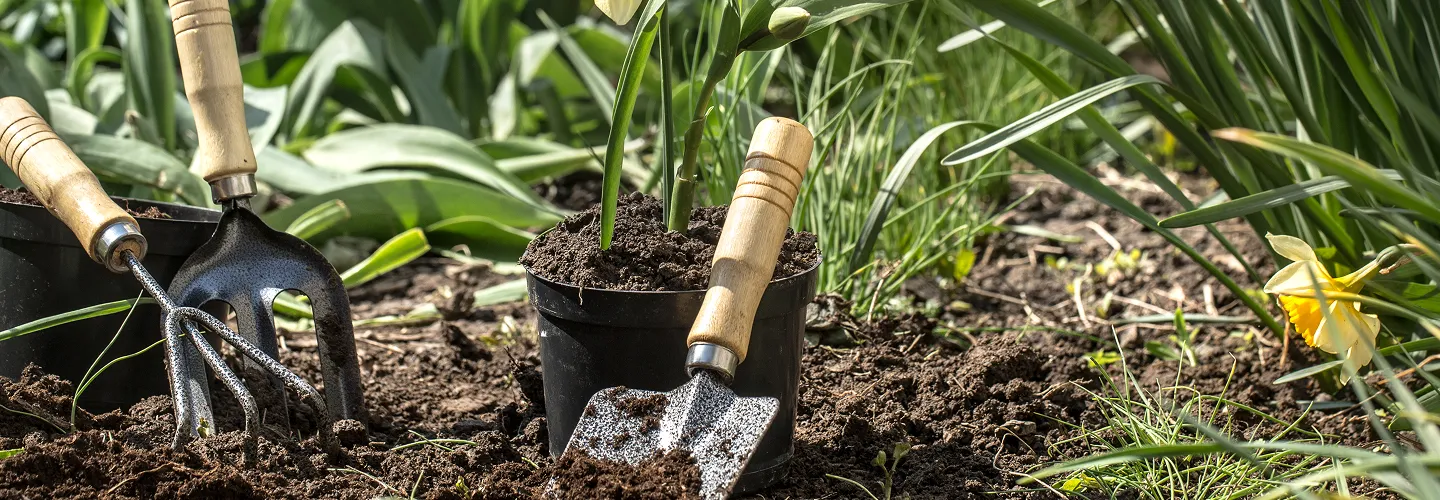
Bandera Dethatching Lawn Services
With years of expertise and a commitment to excellence, our dethatching lawn services remove built-up thatch to restore your lawn's health, improve nutrient absorption, and promote lush, vibrant growth — giving your yard the fresh start it deserves at a price you can trust.
Our Bandera Landscaping & Yard Care Services
When to Schedule Dethatching Lawn in Bandera, Texas – Seasonal Guide
In Bandera, Texas, the best time to schedule dethatching for your lawn is typically in late spring or early fall, when warm-season grasses like Bermuda and St. Augustine are actively growing. The region’s unique climate—marked by hot, dry summers and mild winters—means that dethatching too early or too late can stress your turf, especially in neighborhoods near the Medina River or around Bandera City Park, where soil moisture and shade coverage can vary significantly.
Local environmental factors play a crucial role in determining the optimal dethatching window. For example, areas with heavy shade from mature oaks in the River Ranch subdivision may require a different approach than open, sun-drenched lots near Main Street. It’s also important to consider Bandera’s average last frost date in early March and the potential for late-spring droughts, which can impact lawn recovery. For more information on local regulations and best practices, consult the official municipal website.
Local Factors to Consider for Dethatching Lawn in Bandera
- Tree density and shade coverage (e.g., mature oaks in River Ranch)
- Soil type and drainage, especially near the Medina River
- Seasonal precipitation patterns and drought risk
- Terrain slope and erosion potential
- Municipal watering restrictions and local ordinances
- Timing around the last frost and peak grass growth periods
Benefits of Dethatching Lawn in Bandera
Healthier & Greener Lawn Growth
Improved Water & Nutrient Absorption
Enhanced Air Circulation to Roots
Reduced Pest & Disease Risk
Professional & Experienced Landscaping Crew
Affordable Dethatching Services in Bandera
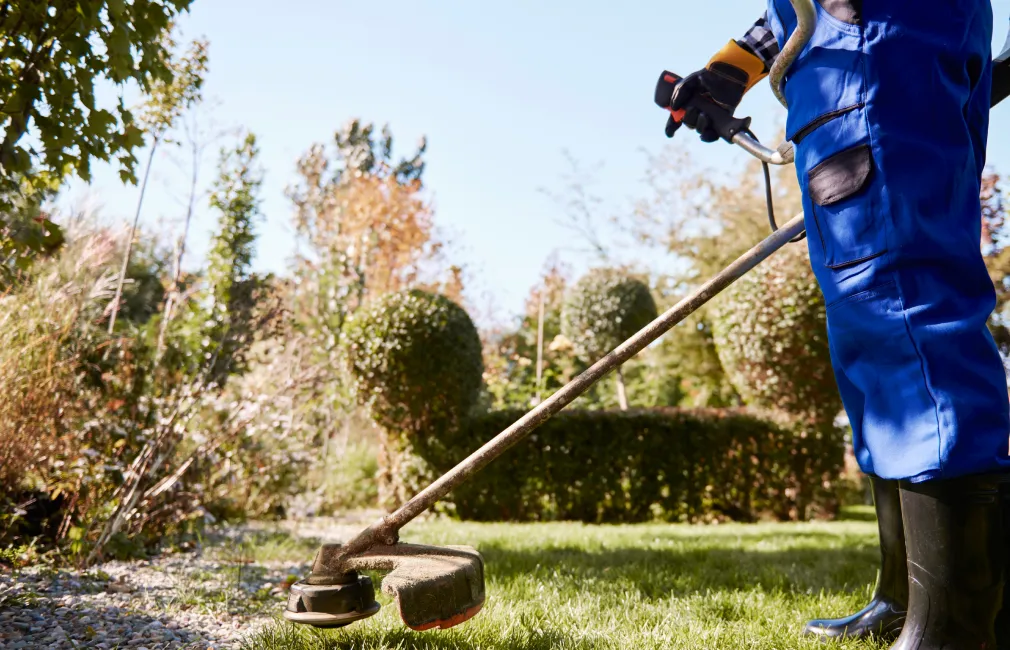
Bandera Dethatching Lawn Types

Bermuda Grass Dethatching
-
St. Augustine Grass Dethatching
-
Zoysia Grass Dethatching
-
Buffalo Grass Dethatching
-
Kentucky Bluegrass Dethatching
-
Fescue Grass Dethatching
Our Dethatching Lawn Process
Lawn Inspection
Thatch Assessment
Equipment Setup
Dethatching Execution
Debris Removal
Post-Dethatching Care
Why Choose Bandera Landscape Services
Bandera Homeowners Trust Us
-
Years of Landscape Expertise
-
Competitive and Transparent Pricing
-
Licensed and Professional Team
-
Satisfaction Guarantee
-
Personalized Service Plans
-
Reliable and Timely Scheduling
-
Locally Owned and Operated
Coordinating Dethatching Lawn Debris Disposal Through Bandera's Public Works Department
Dethatching generates a significant volume of organic debris that must be managed in accordance with municipal disposal guidelines. In Bandera, residents and property managers should coordinate with the City of Bandera Public Works department to confirm current green waste collection procedures before scheduling dethatching work. Thatch material removed from bermudagrass or zoysiagrass lawns should not be deposited in roadside ditches, curb inlets, or drainage channels that feed into the Medina River system. Key coordination steps include:
- Verifying whether curbside organic waste pickup is available for the volume of thatch generated
- Confirming bundling or containerization requirements for green waste set out for collection
- Ensuring that dethatching debris does not obstruct public rights-of-way or drainage infrastructure
- Contacting Public Works if large-scale dethatching on commercial or multi-lot properties requires special hauling arrangements
Residents should confirm all current disposal rules directly with the city, as collection schedules and accepted materials may change seasonally.
City of Bandera Public Works
Official Website: City of Bandera Public Works
How Bandera's Hill Country Limestone Soils and Heat Affect Lawn Dethatching
Bandera sits squarely within the Central Texas Hill Country, classified under USDA Hardiness Zone 8b, where conditions create a distinct set of challenges for thatch management. The region's limestone-derived soils tend to be shallow, alkaline, and calcareous, often with a thin topsoil layer over fractite or bedrock. These conditions influence water infiltration rates and root-zone depth, making thatch accumulation particularly problematic. Factors that directly affect dethatching in Bandera include:
- Alkaline, calcium-rich soils: Soil pH commonly exceeds 7.5, which can slow microbial decomposition of organic matter and allow thatch to persist longer than in neutral or acidic soils
- Shallow bedrock and rocky subgrade: Many Bandera properties have only a few inches of usable soil above limestone, meaning thatch layers compound water penetration problems more severely than on deeper soils
- Intense summer heat and aridity: Temperatures regularly exceed 100°F from June through August, and annual rainfall averages roughly 30–34 inches with significant variability, creating cycles of drought stress followed by heavy rain events that compact thatch layers
- Bermudagrass and zoysiagrass dominance: These warm-season turf species are the most common in Bandera and are among the highest thatch producers, particularly bermudagrass hybrid cultivars maintained at lower mowing heights
The USDA Web Soil Survey provides property-specific soil data that can help determine how aggressively dethatching should be approached on a given lot.
Stormwater Compliance and Environmental Rules Governing Dethatching in Bandera
Dethatching itself does not typically require a municipal permit in Bandera, but the process intersects with several regulatory frameworks that property owners and service providers must observe. Loose thatch material, if allowed to enter storm drains or the Medina River corridor, constitutes an organic pollutant load subject to federal Clean Water Act protections. The Texas Commission on Environmental Quality (TCEQ) Phase II MS4 stormwater program establishes best management practices for preventing pollutant discharge into waterways, and these standards apply to lawn care operations that generate removable organic debris near drainage infrastructure.
- Thatch and organic debris must be collected and contained on-site; sweeping or blowing material into street gutters or drainage channels is not acceptable
- If post-dethatching fertilization or soil amendment is planned, applicators should be aware that the Texas Agriculture Code, Chapter 63 governs commercial fertilizer use, and any pesticide applications require proper licensing under Texas Department of Agriculture regulations
- Properties adjacent to the Medina River, Winans Creek, or other tributaries should take additional precautions to prevent sediment and organic runoff during and after dethatching
The Bandera County River Authority and Groundwater District provides guidance on protecting local water resources, which is particularly relevant for properties near waterways.
Bandera County River Authority and Groundwater District
Official Website: Bandera County River Authority and Groundwater District
Timing Dethatching Lawn Around Bandera's Warm-Season Growth and Drought Cycles
Professional dethatching in Bandera must be timed to coincide with the active growth period of warm-season turfgrasses so that the lawn can recover quickly from the mechanical stress of thatch removal. Texas A&M AgriLife Extension turf resources recommend dethatching bermudagrass and zoysiagrass during late spring through early summer, when soil temperatures have consistently reached 65°F or above and the turf is actively growing. Key timing and method considerations include:
- Optimal window: Late April through early June in Bandera, after the last frost risk has passed and before peak summer heat stress sets in
- Equipment selection: Vertical mowers (verticutters) set to penetrate approximately ½ to 1 inch into the thatch layer are standard for bermudagrass; power rakes may be used for lighter thatch on zoysiagrass
- Irrigation coordination: Dethatching should be followed by thorough irrigation to support turf recovery, but watering schedules must comply with any active drought-stage restrictions issued by the City of Bandera Water Services; verify current watering rules before scheduling post-dethatching irrigation
- Avoid dethatching during dormancy: Performing this service in winter or during drought-induced dormancy can severely damage turf that lacks the metabolic capacity to regenerate
- Post-dethatching care: A light topdressing with compost suited to alkaline Hill Country soils can improve microbial activity and reduce future thatch accumulation
Guidance from AggieTurf provides additional species-specific protocols for thatch management in Texas conditions.
What Neighborhoods Do We Serve Throughout Bandera, TX?
- Downtown Bandera: Properties near the historic courthouse square often feature mature live oaks and compact lots where bermudagrass thatch accumulates quickly under heavy shade canopy transitions
- Riverside Drive Area: Lots along the Medina River corridor require careful debris containment during dethatching to prevent organic material from reaching the riverbank or floodplain zones
- Flying L Ranch: This established community features larger residential lots with irrigated bermudagrass and zoysiagrass turf that benefits from regular dethatching on a one- to two-year cycle
- Mansfield Park Vicinity: Residential properties near City of Bandera Parks facilities share drainage patterns that make post-dethatching debris management essential for stormwater protection
- Privilege Creek Estates: Hill Country terrain with sloped lots and shallow limestone soils creates accelerated thatch compaction, requiring careful verticutter depth adjustment to avoid scalping
- Lakehills Area: Properties on the western outskirts toward Medina Lake contend with rocky, alkaline soils and intermittent water availability that influence both dethatching timing and recovery irrigation planning